Reporting
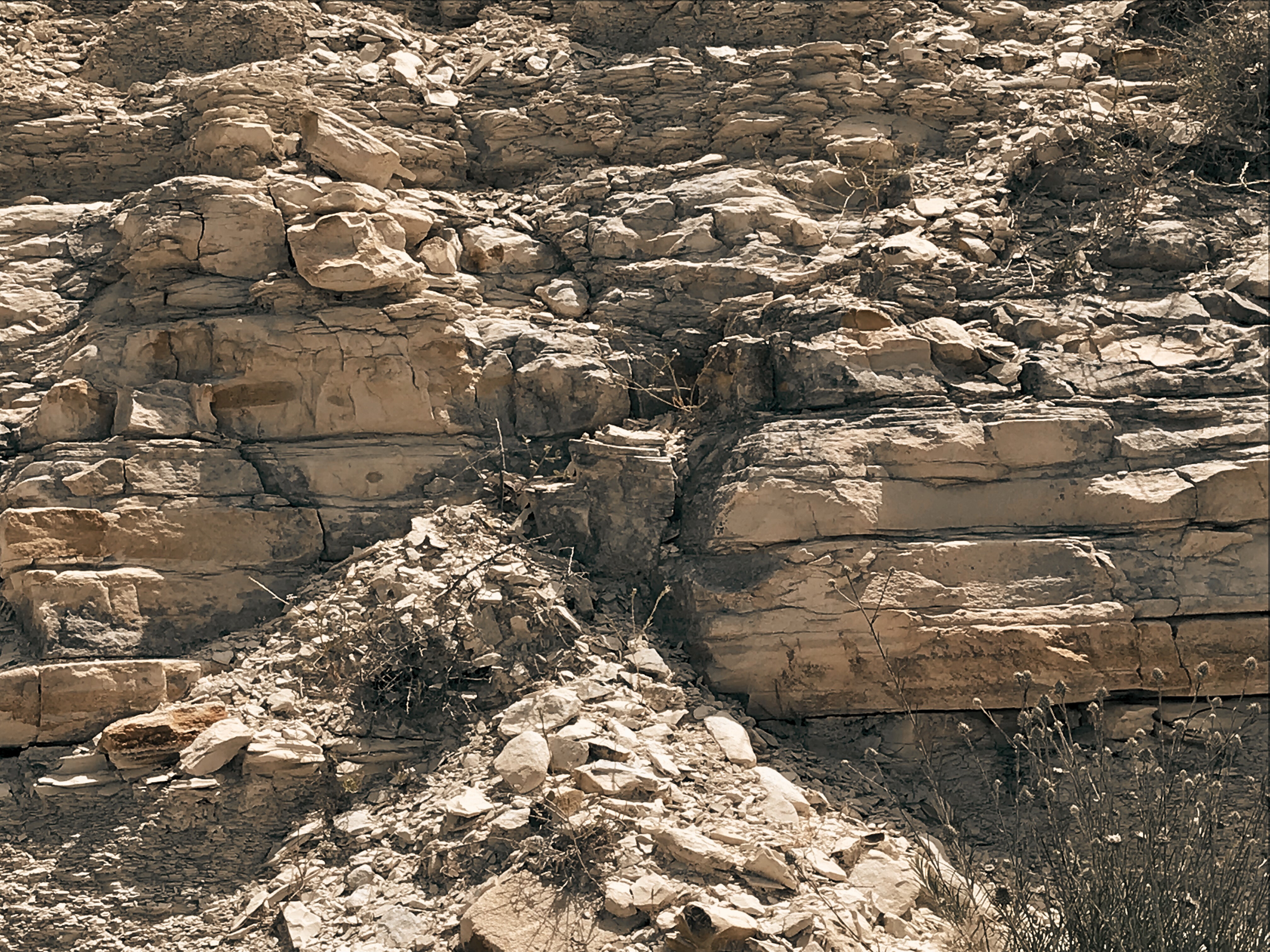
Was it all just a lie? Igneous or metamorphic?
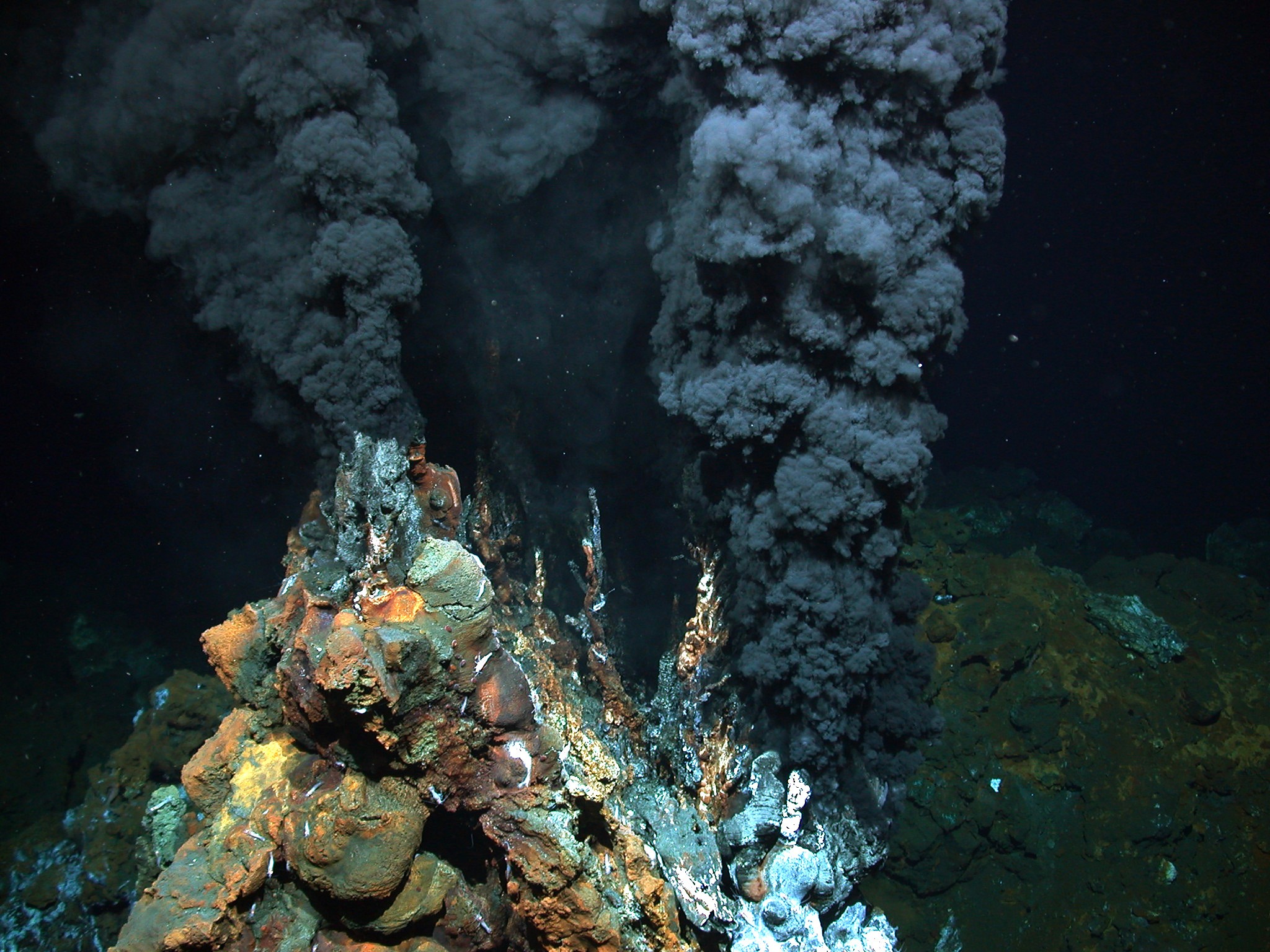
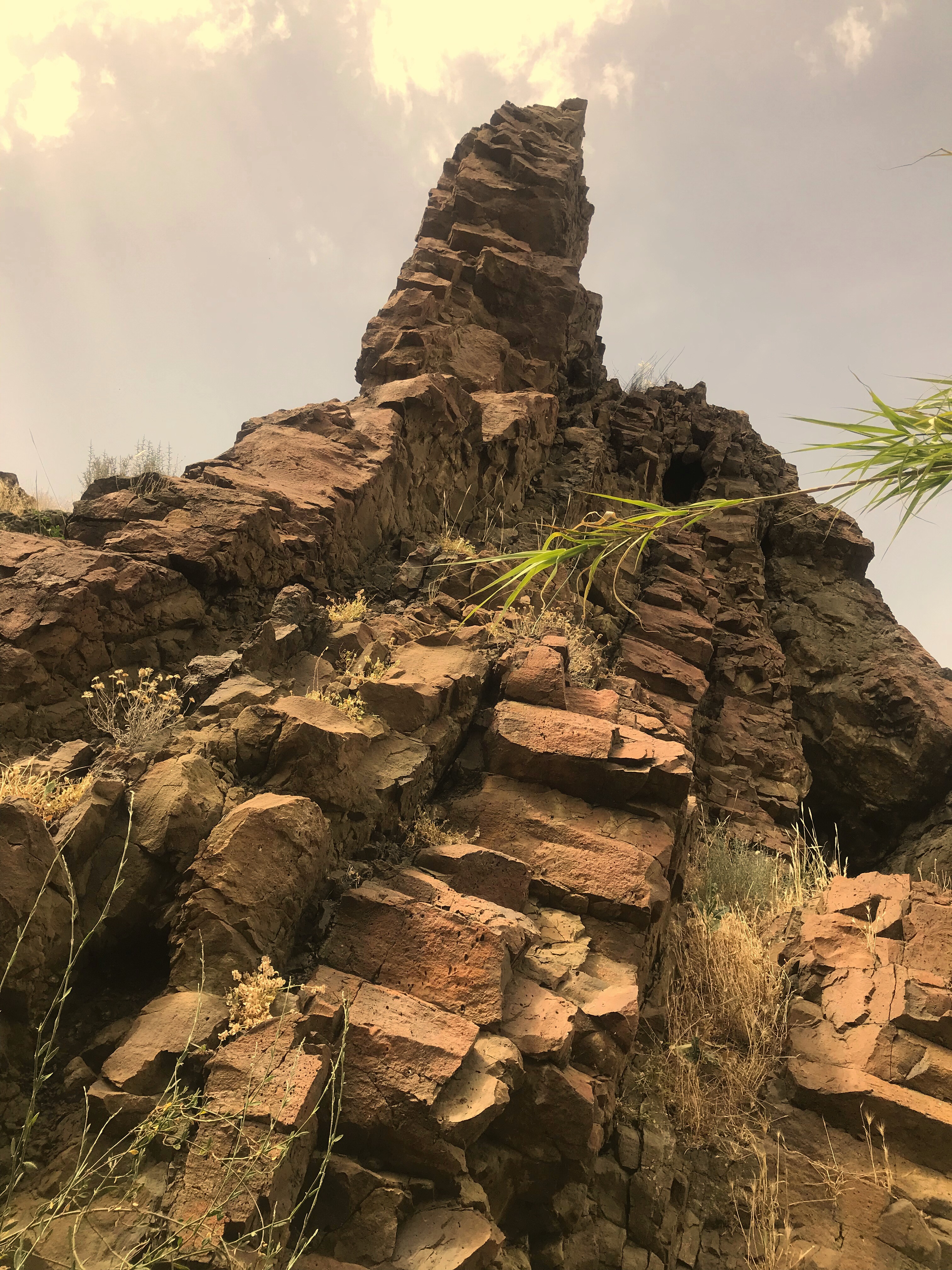
Fossil Hydrothermal Activity: The Troodos Ophiolite acts as a complete, uplifted section of ancient oceanic crust, displaying hydrothermal alterations within its lava group, sheeted dyke and plutons.
Formation Mechanism: Hydrothermal circulation was driven by interaction between seawater and hot basaltic rock at the spreading center, leading to strong alteration and the deposition of cupriferous pyrite.
Epidosite Zones: These serve as the "root zones" of the hydrothermal system, where 30–50% of the rock is altered to epidote-quartz, indicating high-temperature (350–400°C) fluid circulation.
Mineralization & Deposits: The systems are associated with Cu-Zn-Au deposits, which were created by seawater leaching metals from the mafic rocks.
Geological Context: The system is part of a complete ophiolite sequence where pillow lavas (formed in cold water) overlie the sheeted dikes (the feeder channels for the lava), marking the site of a paleo-spreading center.