Strategy
Troodos ophiolite - from Sea to Summit
Troodos Ophiolite -from Sea to Summit.
The Troodos Ophiolite, represents the relics of an ancient Neo-tythean ocean. It is one of the most well-preserved fragment of ancient oceanic crust (~92 Ma) located in Cyprus at Troodos mountain range. The Troodos Massif has been subjected to intensive research and numerous symposia took place in the island including "1979 International Ophiolite Symposium" and Troodos 87: Ophiolites and Oceanic Lithosphere".
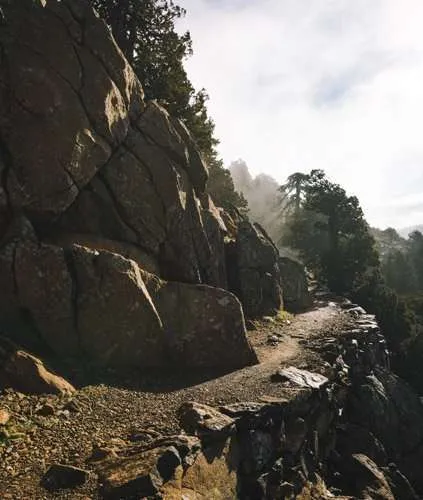
At its top pick you can walk on mantle rocks, this unique geological phenomena describes the exposure of an uplifted ancient oceanic crust and the underlying upper mantle through tectonic activity.
The key Geological Features
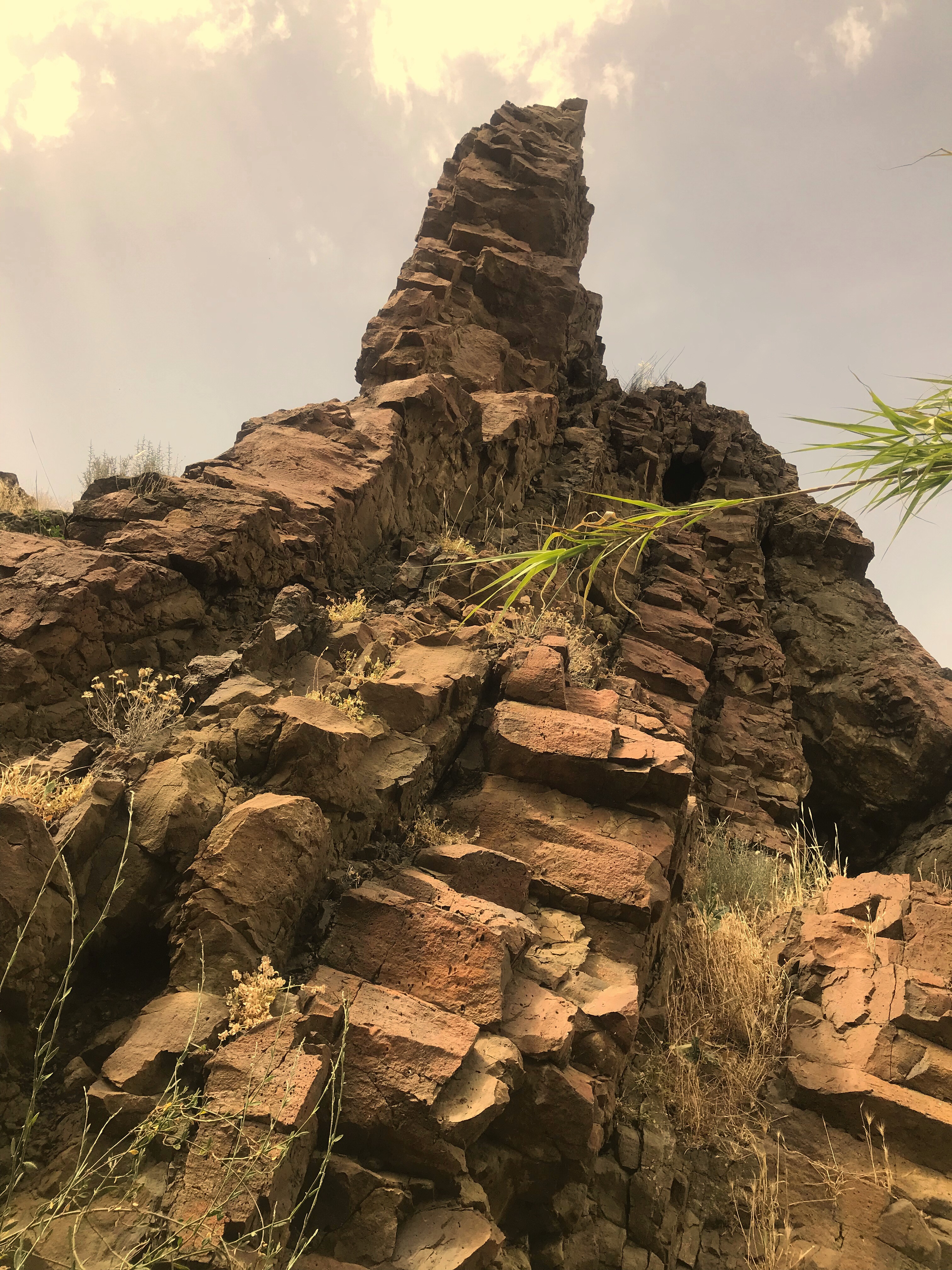
Topographic Inversion: The Troodos Mountains are an anticlinal (dome) structure where the core of the ophiolite—mantle rocks like harzburgite and dunite—was pushed up, diapirically uplifted, resulting in the lowest stratigraphic units now sitting on top.
The Oceanic Crust Sequence: A complete 90-million-year-old ophiolite sequence is exposed, which have normally expected to be seen top down as following:
Deep sea Sediments Mantle, (top)
Pillow Lava
Sheeted Dykes
Plutons (Plagiogranites and Layered Gabbro)
Mantle Rocks (bottom)
But because of this uplift and subsequent erosion, the deepest, oldest layers of the ocean crust and upper mantle are now found at the highest elevations of the Troodos Mountains, while younger, shallower layers (such as basalt pillow lavas and deep sea sediments) are situated lower on the flanks of the Troodos Massif. Therefore, Cyprus represent an inverted stratigraphic ophiolite sequence.
Uplift Event: The abrupt vertical uplift took place over many episodes, with intense uplift occurring during the Pleistocene (2.6 million years ago), driven by the collision of the African and Eurasian plates.
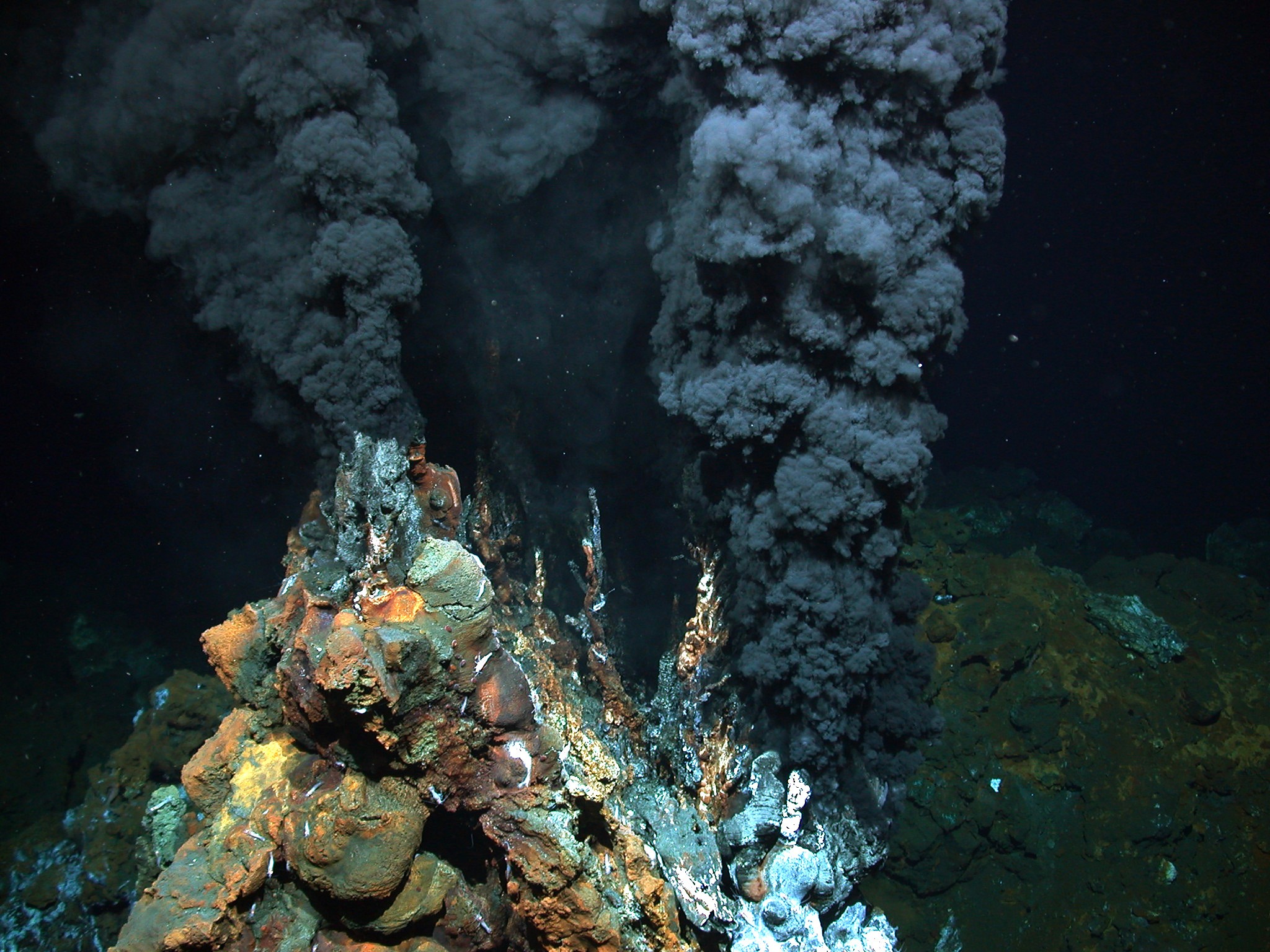
Ophiolite Origin: Troodos ophiolite is considered as the supreme example of a supra-subduction zone (SSZ) above a spreading center tectonic setting rather than a simple mid-ocean ridge. It is also linked to the massive sulfide deposits which copper, zinc, gold) associated with underwater volcanic activity and hydrothermal circulation. (see more detail here)